


Burned Out Generations: Beyond Self-Care

Updated: Apr 15
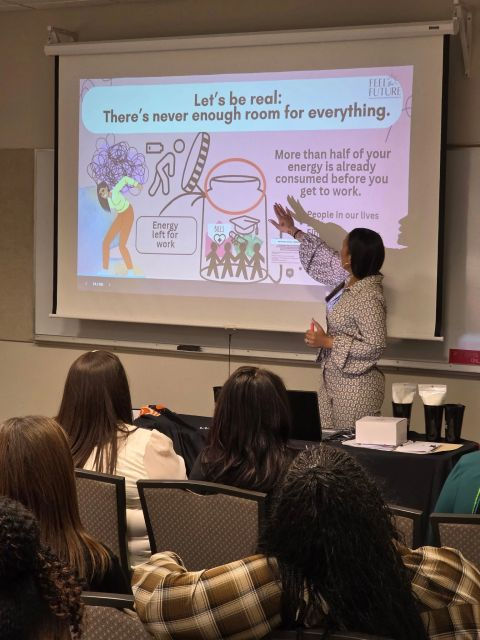
We recently facilitated a breakout session at the 8th Women Leading Delaware Education Conference on March 25, 2026, where we explored burnout across generations—especially in education and the helping professions.
One thing is clear:
Burnout is not one-size-fits-all—but it is happening across every generation.
Beyond Self-Care
We hear a lot about self-care and yes—it matters.
Burnout is not just about personal habits. It’s about systems.
If the system stays the same, the burnout will too.
It’s Not Just the Work. It’s How We’re Working.
We often talk about burnout as a workload issue.
But what’s showing up more and more is this:
It’s also a communication issue.
And right now, one of the biggest drivers?
Email.
Not just as a tool—but as an expectation.
Constant checking
Quick responses
Managing tone and urgency
Carrying conversations that should’ve been conversations
Research shows about 1 in 3 people experience stress related to email, with many checking it dozens of times a day and feeling pressure to respond quickly
That kind of constant input doesn’t just take time—it takes energy.
The Shift Since COVID-19
The way we work changed quickly.
Work moved into our homes
Communication increased
Boundaries blurred
Availability became the norm
Email became the default way to manage everything.
But more communication didn’t mean better communication.
In many cases, it meant:
unclear expectations
longer threads
more room for miscommunication
and more pressure to stay “on”
And across generations, that pressure is being felt in different ways—but it’s coming from the same place.
Burnout Across Generations
In the session, we explored how burnout shows up across generations:
Baby Boomers often carry a strong sense of commitment and work ethic
Gen X values independence but is often navigating high responsibility quietly
Millennials are balancing expectations, purpose, and constant communication
Gen Z is naming boundaries, mental health, and clarity early
Different experiences. Same reality.
And one expectation that cuts across all of them?
Being constantly available.

People Are Already Carrying a Lot
Burnout doesn’t start when you log in. For many people, a significant amount of energy is already spent before the workday begins—navigating responsibilities like finances, family, health, and everyday life stressors
So when work adds:
constant communication
unclear systems
shifting expectations
It doesn’t just create stress.
It compounds it.
This Is Where the Conversation Opened Up
We talked about how burnout can show up differently across generations — from Baby Boomers to Gen Z — especially in education and the helping professions. It led to some really good conversation about work styles, stress, communication, expectations, and what people are carrying both on and off the clock.
And we played "Burned Out Bingo" and "Generations Feud."
And of course we had a blast.
Download our Services Guide 2026 for our workshop and presentation offerings.
Ask yourself:
What generation do you belong to, and which generational traits actually feel true for you? Do you relate to the “typical” traits people assign to your generation — or not at all?
How to Reduce Burnout Across Generations in the Workplace
Reducing burnout across generations starts with small, intentional shifts in how work is structured and communicated.
A few practical strategies:
Cut or shorten unnecessary meetings
Protect uninterrupted work and planning time
Reduce extra duties not tied to core roles
Model thoughtful and efficient email communication
Implement communication systems that reflect generational differences
Use response windows instead of replying to everything immediately
Stop over-explaining—clear and direct communication is enough
Focus on what’s urgent using the “Three Fires” approach
Because at the end of the day:
Burnout doesn’t just come from the work—it comes from how the work environment is designed and supported.
About Feel the Future
Feel the Future Community Health Coaching & Consulting LLC creates engaging, real-world workshops and trainings for educators, helping professionals, and organizations navigating burnout, communication, and wellness.
Our work blends lived experience, public health, and interactive learning toward real, sustainable change.
#Burnout #BurnoutPrevention #WomenLeadingDelawareEducation #UniversityOfDelaware #EducationLeadership #HelpingProfessions #GenerationsAtWork #WorkplaceWellness #Educators #HumanServices #Education #K12 #HigherEd #ProfessionalDevelopment #CommunityHealthEducation #Health #Wellness


Comments